Heat Networks
Why are Heat Networks such big news right now?
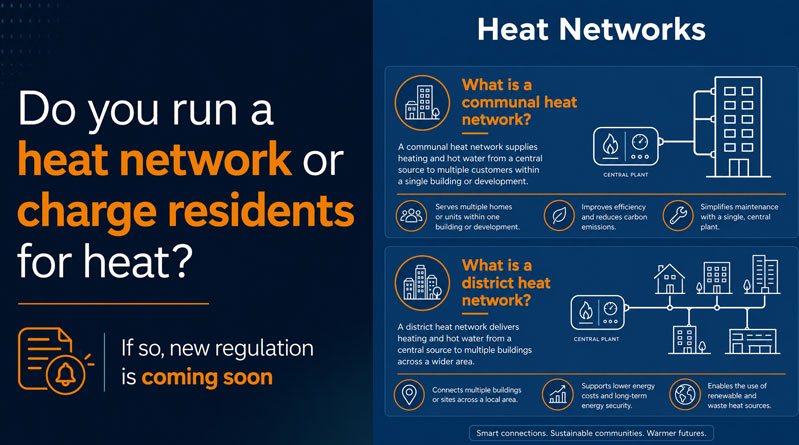
From 27 January 2026, the Office of Gas and Electricity Markets (Ofgem) became the statutory regulator for heat networks. This change introduces new legal obligations for organisations that own, operate or supply communal or district heat networks, including landlords and managing agents.
While these obligations will be phased in during 2026–2027, organisations are expected to begin preparing now. Failure to comply may result in enforcement action, financial penalties, and reputational damage.
Heat Networks
Who comes under the new Regulatory rules?
You are likely to have regulatory responsibilities if your organisation:
- Owns a building with a communal heat network;
- Owns or controls a district heat network; or
- Supplies heat or hot water to residential or commercial customers.
Key types of owners and operators:
- Social Landlords (Housing Associations & Local Authorities
- ESCoS
- Private Developers and Freeholders
- Property Management Companies / REITs
- Third-Party Subcontractors ( Metering and Billing Agents)
- Industrial Operators
Heat Networks
What are your obligations as a heat network supplier or operator?
Authorisation and Registration
- Register each heat network with Ofgem and comply with the authorisation conditions applicable to their role.
Comply with Consumer Protection Requirements
- Provide clear and accurate information to consumers about their heat supply and maintain an effective complaints-handling procedure.
Ensure Pricing is Transparent
- Consistent with any regulatory requirements, providing a clear breakdown of tariffs and charges, with changes communicated with advance notice.
Maintain Minimum Service Standards
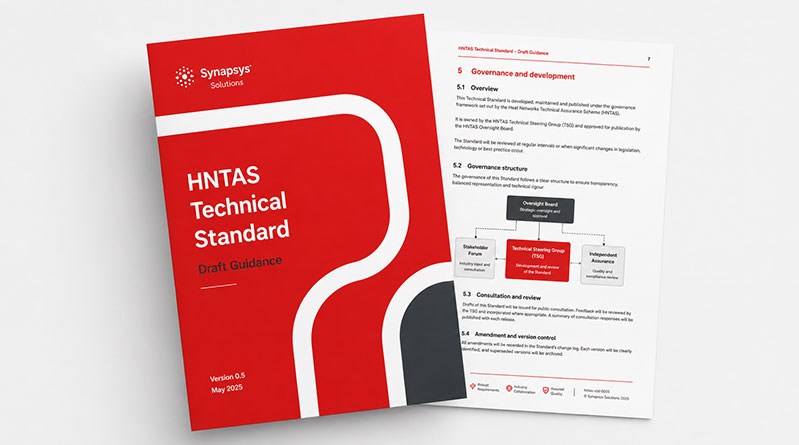
- Upcoming HNTAS will outline metrics to demonstrate this, including requirements to provide specified data and reports to Ofgem.
Keep up-to-date and aware of ongoing changes and compliance notifications from Ofgem.
Heat Networks
What are the key dates?
Date |
Requirement |
1 April 2025 |
Consumer advocacy and Ombudsman access introduced |
27 January 2026 |
Ofgem regulation begins; authorisation conditions take effect |
Spring 2026 |
Ofgem heat network registration service opens via online Portal |
26 January 2027 |
Deadline to register all heat networks with Ofgem |
2026–2027 |
Phased enforcement of full compliance, including reporting and technical standards via introduction of HNTAS |
ENERGY INSIGHTS
What do you need to do now?
- Identify all heat networks across the organisation’s assets.
- Confirm your regulatory roles (operator, supplier, or both).
- Confirm outstanding obligated requirements previously compliance returned “duty to install meters”, meter accuracy requirements, Heat Cost Allocators no longer meet compliance requirements.
- Review current billing, complaints and customer communications against Ofgem requirements.
- Prepare information for Ofgem registration (ownership, contracts, financial data).
- Check Energy Ombudsman membership.
- Plan for compliance costs and system changes during 2026–2027.
ENERGY INSIGHTS
How can Synapsys help?
The Energy Insights team at Synapsys can provide varying levels of assistance to both understand the recent changes and then ensure you comply with the requirements, starting with Explainer Workshops to provide more in-depth understanding and provide a forum to field any questions you may have.
Thereafter services which can be provided range from initial registration (including all relevant and required information about systems and company), through understanding whether existing metering meets the requirements.
In addition, we can provide Heat Network Technical Assurance Standard (HNTAS) Readiness Assessment to identify any shortfalls in metering and data collection capabilities to ensure compliance once the HNTAS takes effect from 2027.
Further to this, and to aid in any applications to the Heat Network Efficiency Scheme (HNES) for funding to improve the network we are able to complete Works Package 1 as outlined within the HNES framework, either independently or for any consulting body.
Ready to take control of your energy strategy?
Whether you’re looking to optimise performance, strengthen compliance or progress towards net zero, our team is here to help.
Get in touch: energyinsights@synapsys-solutions.com
Call: 01444 246 128